Premium Roofing With Lasting Style and Strength
Tile Roofing in Parma and the surrounding Treasure Valley area for high-end durability, distinctive appearance, and resistance to weathering over decades of exposure
Valley Oak Roofing & Construction installs tile roofing for homeowners in Parma and the surrounding Treasure Valley area who want a premium finish that combines long-lasting performance with a look that sets their home apart from standard asphalt or metal installations. You choose from clay or concrete tiles in profiles that range from barrel and S-shaped to flat and interlocking styles, with colors that include natural terracotta, gray, brown, and custom blends. The installation requires a roof structure capable of supporting the additional weight, along with underlayment designed to handle the uneven load distribution and proper battens or fasteners that secure each tile without cracking.
The installation process begins with a structural assessment to confirm that the roof framing can handle the weight of tile, which is significantly heavier than asphalt or metal. If reinforcement is needed, additional support is added before any roofing material is installed. Underlayment is applied in layers, often with a high-temperature membrane that resists heat buildup, and battens are fastened horizontally to provide attachment points for the tiles. Each tile is secured with nails or screws, and the edges are trimmed or shaped to fit valleys, hips, and ridges. Flashing is installed around penetrations and transitions to prevent water from entering at seams.
If you are building a new home or replacing a roof and want a material that offers exceptional lifespan and curb appeal, contact Valley Oak Roofing & Construction for an evaluation and detailed pricing.
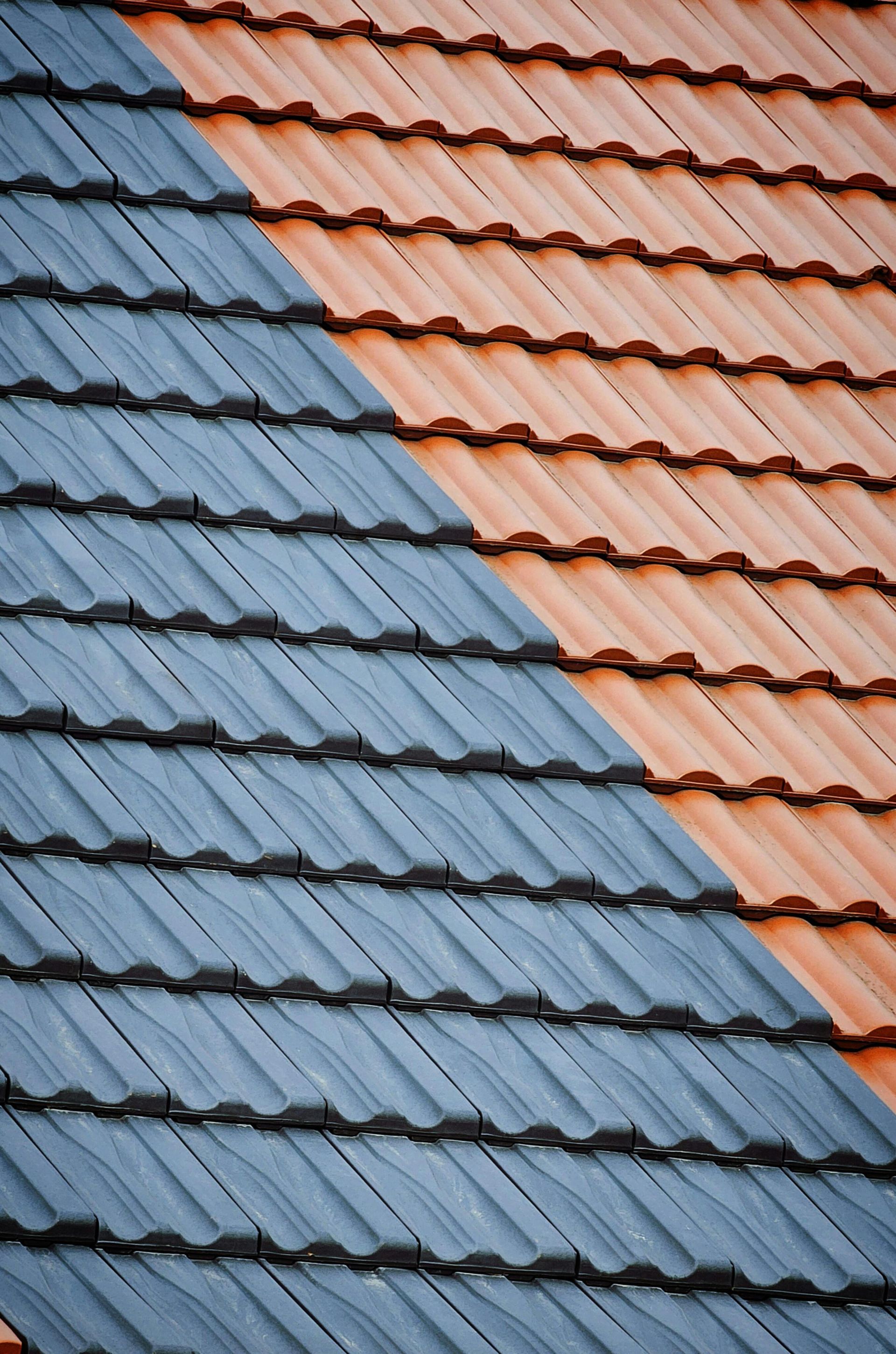
What You See After Tile Roofing Is Complete
After installation, you will notice a roof with depth and texture that changes appearance depending on light and viewing angle, along with shadow lines that add dimension to the roofline. The tiles will sit in overlapping rows with gaps that allow airflow and drainage, and you will see custom-cut tiles at edges and transitions where the roofline changes direction. Tile roofing resists fading, cracking from freeze-thaw cycles, and damage from wind-driven debris, and it does not support the growth of algae or moss as readily as organic materials.
Valley Oak Roofing & Construction ensures that each tile is properly seated and that fasteners are driven at the correct angle to prevent cracking during installation or under wind pressure. You will also see that ridge tiles are mortared or mechanically fastened to cap the peak of the roof and prevent water from entering at that vulnerable point. The roof will shed water quickly due to the hard, smooth surface of the tiles, and the open spaces between tiles allow ventilation that reduces heat buildup in the attic.
Tile roofing can last 50 years or more, depending on material quality and installation precision. Maintenance includes periodic inspections to identify cracked or dislodged tiles, cleaning valleys to prevent debris buildup, and checking flashing for signs of wear. Individual tiles can be replaced without disturbing the surrounding roof, though finding an exact color match may be difficult if the product has been discontinued. Tile roofing is not suitable for low-slope roofs or structures that cannot support the additional weight, and the upfront cost is higher than both asphalt and metal, but the lifespan and aesthetic value often justify the investment for homeowners seeking a high-end finish.
What Homeowners Ask About Tile Roofing
Questions about cost, weight, and installation requirements are common when homeowners in Parma and the surrounding Treasure Valley area consider tile as a roofing option.
What is the difference between clay and concrete tile?
Clay tiles are lighter, more porous, and have a natural color that does not fade, while concrete tiles are heavier, less expensive, and available in a wider range of colors and finishes that are applied during manufacturing.
How much does tile roofing weigh compared to other materials?
Tile roofing weighs 8 to 12 pounds per square foot, which is significantly more than asphalt at 2 to 3 pounds or metal at 1 to 2 pounds, so the roof structure must be evaluated before installation begins.
Why do some tiles crack or break after installation?
Cracking can occur if tiles are walked on improperly, if fasteners are over-tightened, or if the roof experiences settling or movement, but most tiles are durable enough to withstand hail and wind without damage.
When should tile roofing be inspected?
Inspections should occur every five years or after severe weather, focusing on broken tiles, compromised flashing, and debris buildup in valleys, to ensure that the roof continues to perform as designed.
If you want to explore tile roofing and understand the structural and cost considerations for your home, reach out to Valley Oak Roofing & Construction to arrange a consultation and review your project in detail.