Roofing That Lasts Decades and Resists Weather
Metal Roofing in Parma and the surrounding Treasure Valley area for long-term durability, energy efficiency, and minimal maintenance across Idaho's seasonal extremes
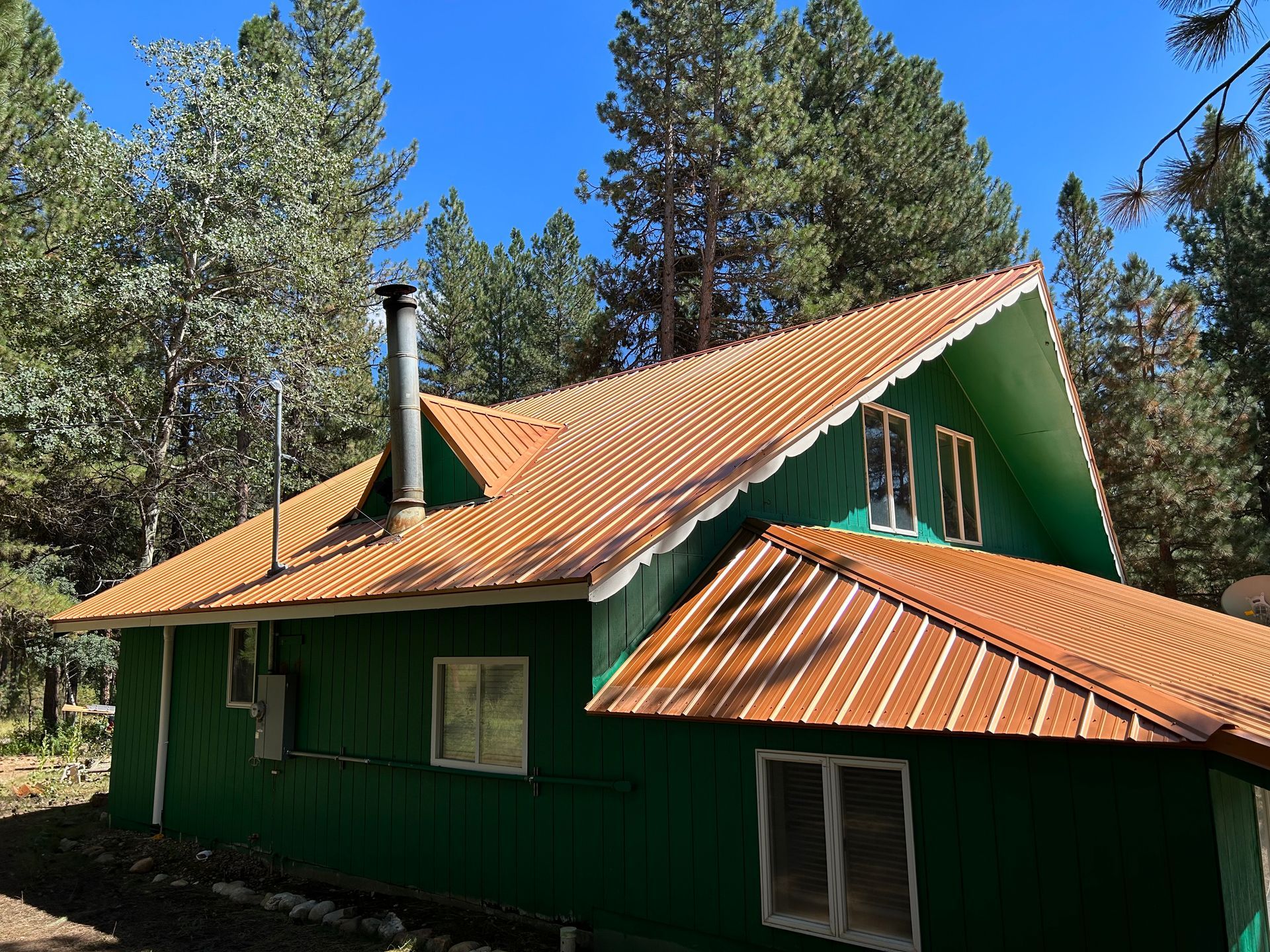
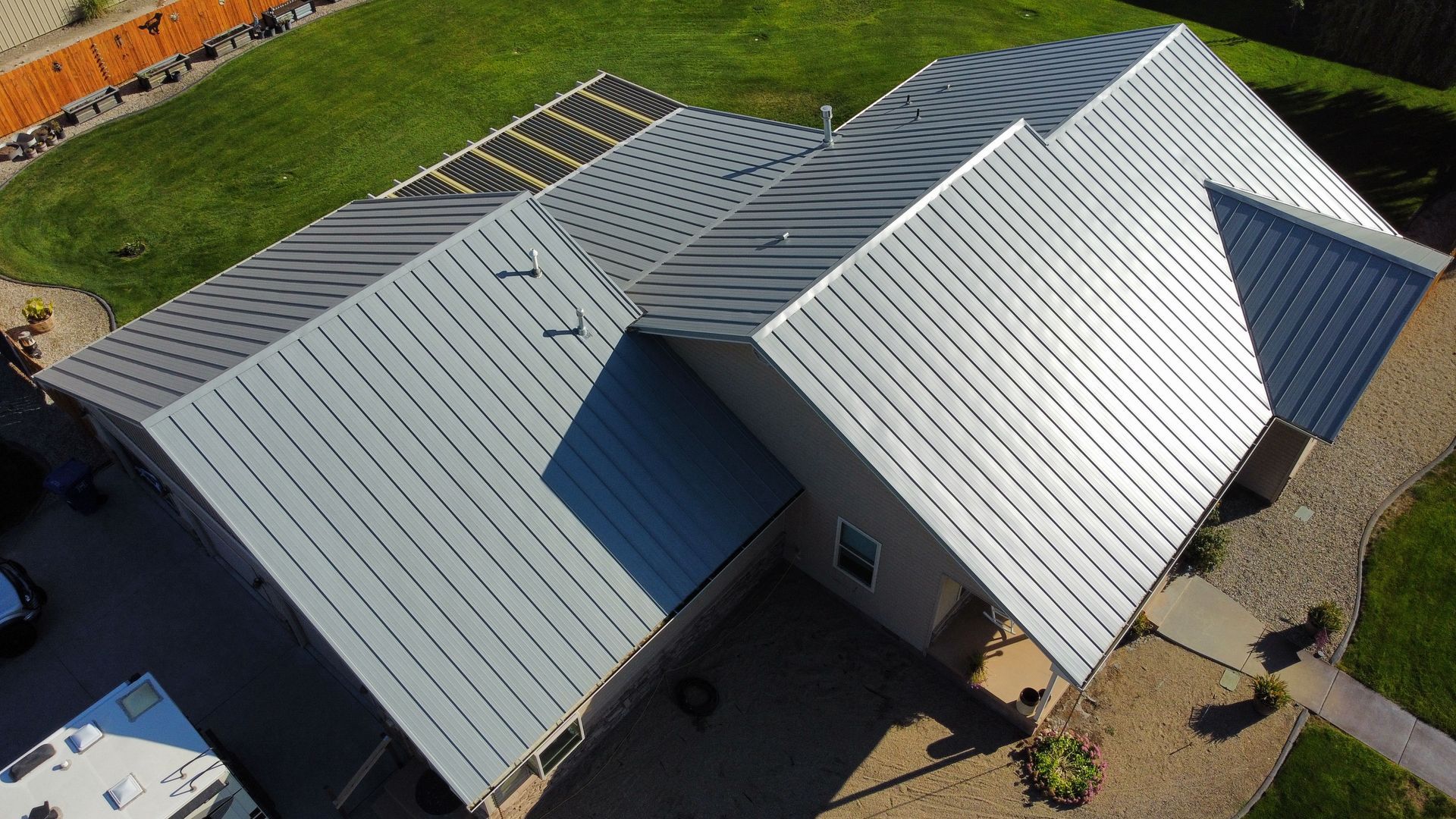
Valley Oak Roofing & Construction installs metal roofing for homeowners in Parma and the surrounding Treasure Valley area who want a roof that withstands high winds, heavy snow, and hail while offering a modern appearance and reduced cooling costs during hot summers. You select from standing seam panels or metal shingles in colors that range from traditional gray and bronze to contemporary red and green, and the installation includes underlayment, fasteners designed for expansion and contraction, and trim that accommodates thermal movement. Metal roofs are growing in popularity across both rural and suburban areas because they require less maintenance than asphalt and can last 40 to 60 years.
The installation process begins with removing the existing roof or, in some cases, installing metal panels over a sound asphalt roof with a vented framework that allows airflow. Underlayment is applied to prevent condensation and provide a secondary water barrier. Standing seam panels are secured with hidden fasteners that allow the metal to expand and contract without tearing or loosening, while metal shingles are fastened through the face with screws that include rubber washers to maintain a watertight seal. Flashing is custom-cut to fit valleys, chimneys, and roof-to-wall transitions.
If you are considering a long-term roofing solution or want to reduce the frequency of future replacements, reach out to discuss whether metal roofing fits your goals and budget.
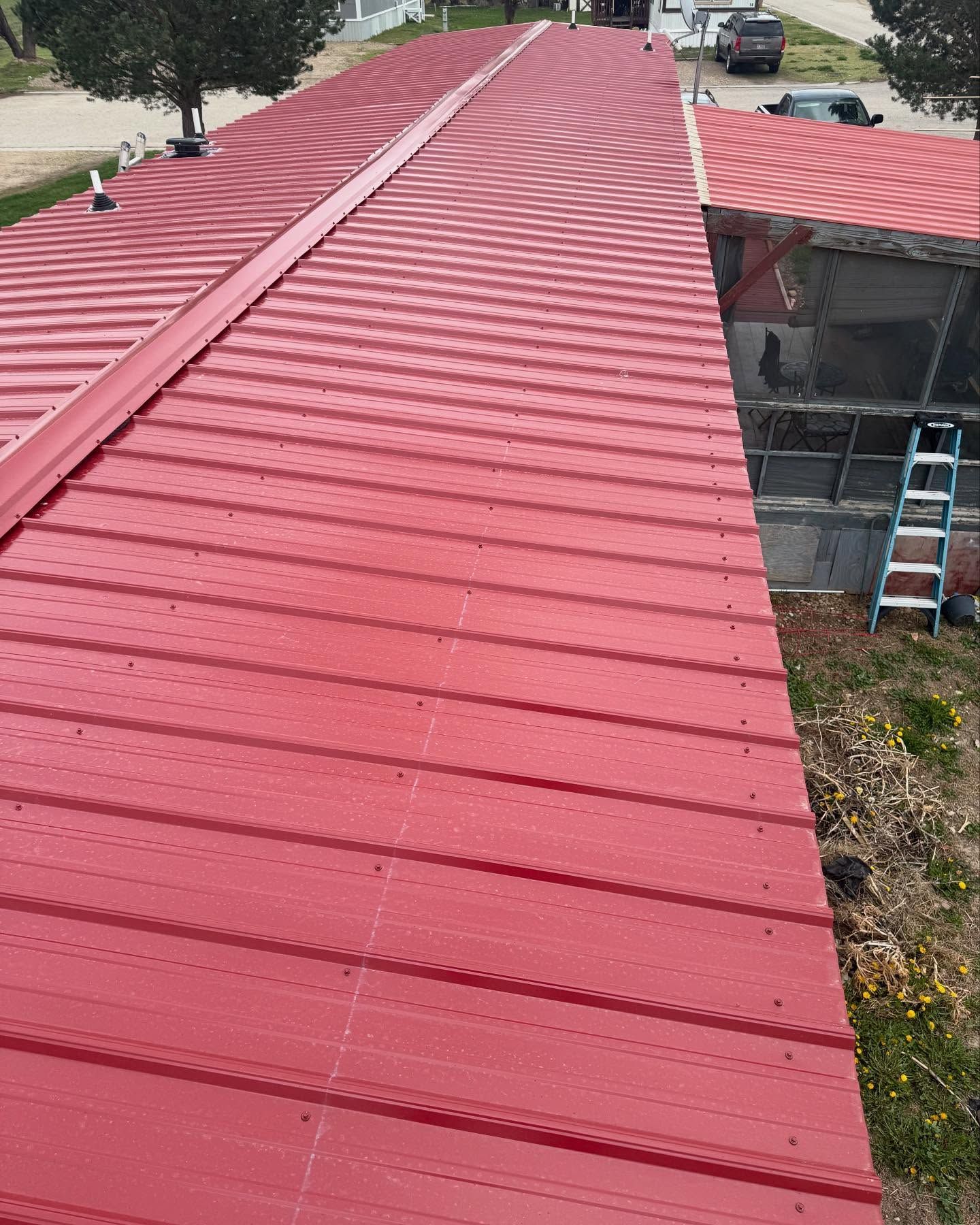
What Changes After Metal Roofing Is Installed
After installation, you will notice that rain and hail make more noise on a metal roof than on asphalt, though insulation and underlayment reduce the sound. The roof will shed snow more easily due to the smooth surface and steep angles, and you will see panels that run continuously from ridge to eave with raised seams that interlock to prevent water infiltration. Metal reflects solar heat, which can lower attic temperatures by 10 to 15 degrees and reduce cooling costs during summer months.
Valley Oak Roofing & Construction ensures that all fasteners are properly torqued and that seams are crimped or overlapped according to manufacturer specifications. You will also see that metal roofing resists algae and moss growth, which are common on asphalt roofs in shaded or humid areas. The finish is applied during manufacturing and is designed to resist fading and chalking for decades, though some color shift may occur over time depending on sun exposure.
Metal roofing does not require sealing, shingle replacement, or granule maintenance, but it should be inspected periodically for loose fasteners or damaged panels. The material is fire-resistant and does not ignite from embers or lightning strikes, which makes it suitable for homes in fire-prone areas. Metal roofing is heavier than asphalt but lighter than tile, so most residential structures can support it without reinforcement. The upfront cost is higher than asphalt, but the extended lifespan and reduced maintenance often make it a more economical choice over the life of the home.
Common Questions About Metal Roofing
Homeowners in Parma and the surrounding Treasure Valley area often ask about noise, cost, and performance when they are evaluating metal roofing as an option for their homes.
How much louder is a metal roof during rain or hail?
The noise level depends on underlayment and attic insulation, but most homeowners report that rain sounds more pronounced, while hail can be quite loud compared to asphalt, though the impact does not typically cause damage.
What is the difference between standing seam and metal shingles?
Standing seam panels run vertically with raised, interlocking seams and hidden fasteners, while metal shingles mimic the look of traditional shingles or tiles and are fastened through the face with exposed screws.
Why does metal roofing cost more than asphalt?
The material itself is more expensive, and installation requires specialized tools and techniques, but the longer lifespan and lower maintenance needs often offset the initial investment over time.
When should fasteners be checked on a metal roof?
Fasteners should be inspected every five to ten years, especially in areas with high wind or temperature swings, because thermal expansion can loosen screws and compromise the watertight seal.
If you want to explore the benefits of metal roofing and see how it compares to other materials for your home, contact Valley Oak Roofing & Construction to schedule a consultation and review your options.