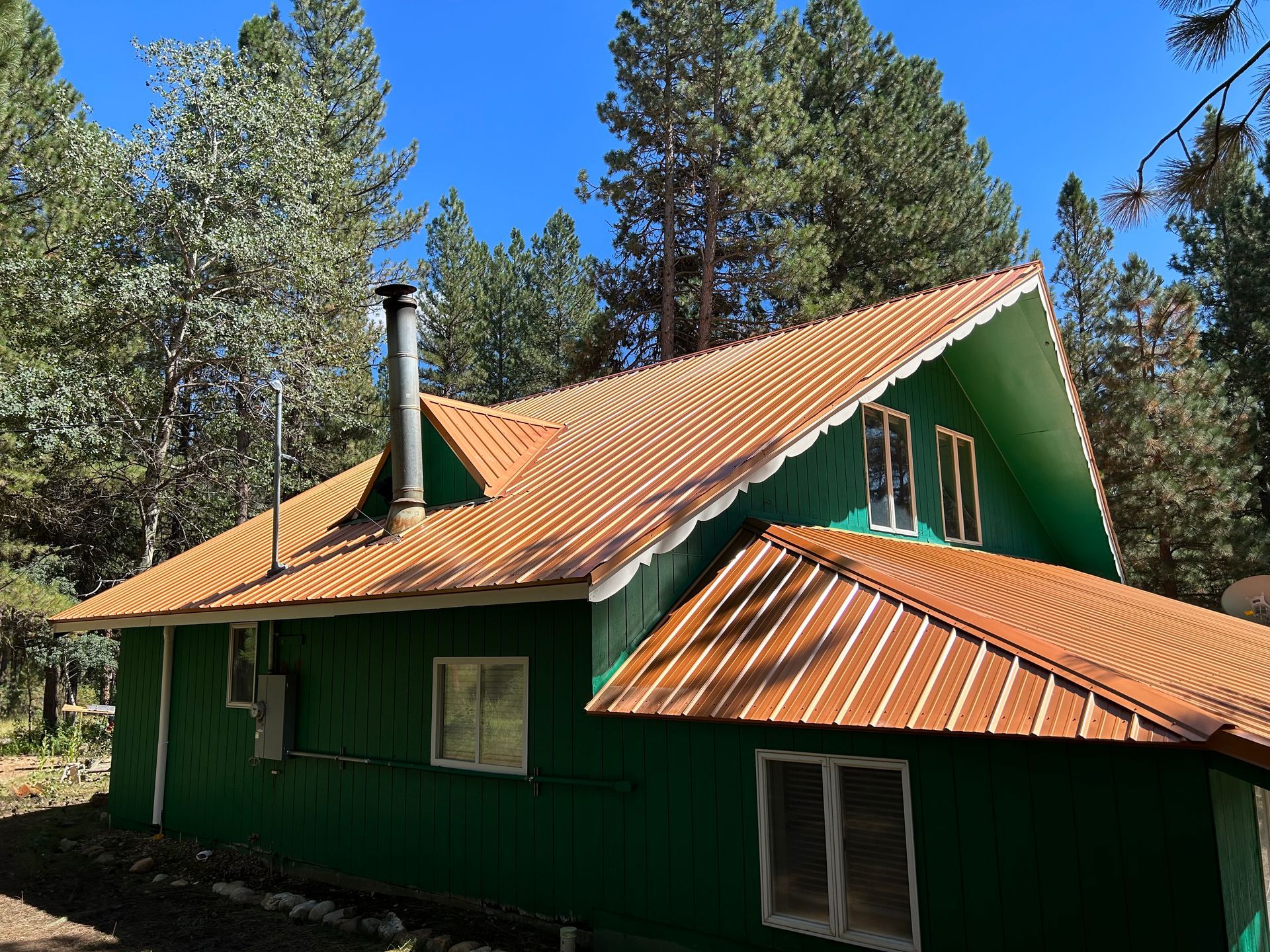
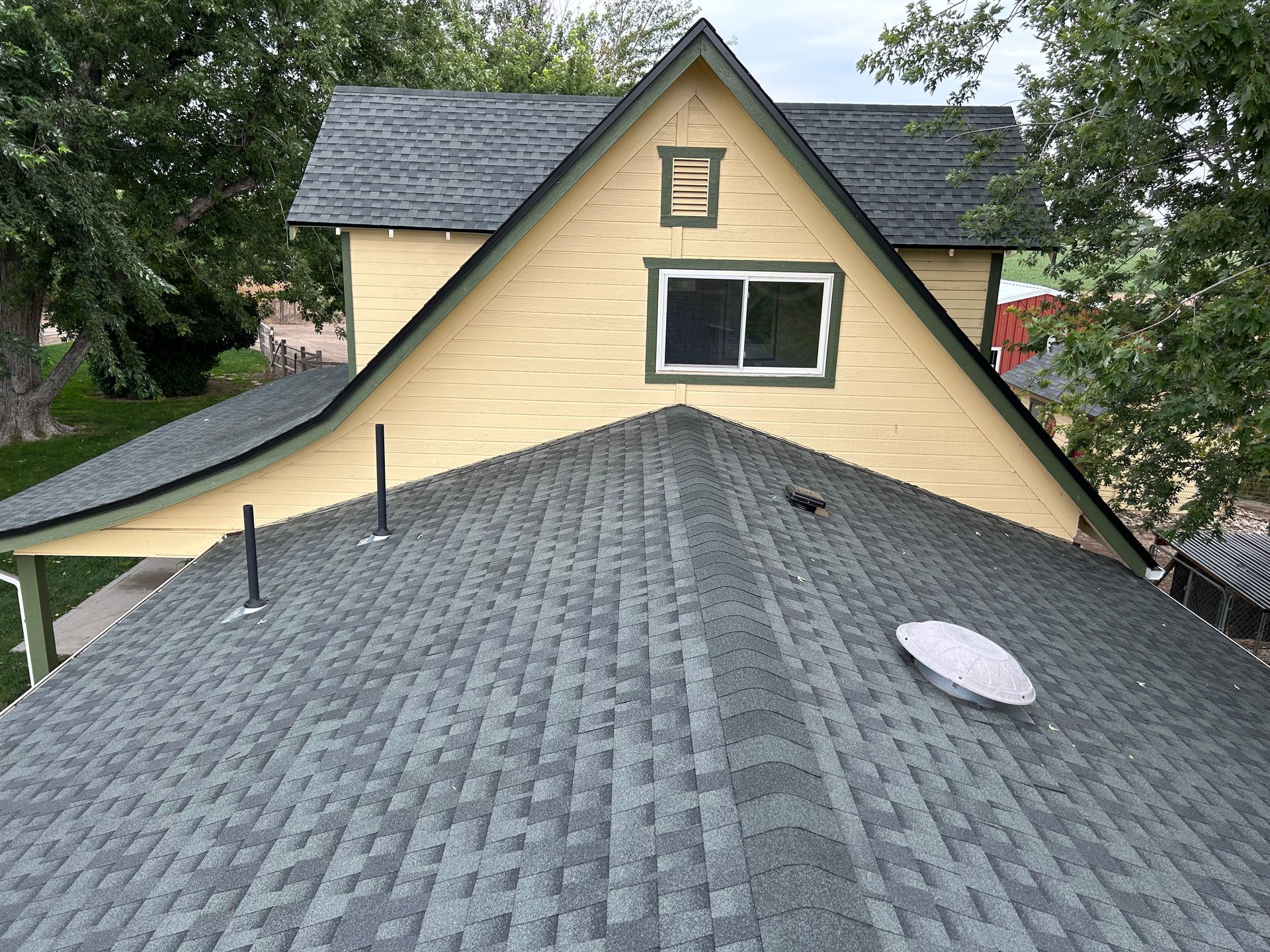
Parma's Wind-Swept Plains and Hard Winters Demand More From Every New Roof
What Canyon County's Climate Does to Roofing Systems Before They're Finished
When new construction goes up near the Snake River corridor west of Nampa, the exposed terrain around Parma means prevailing winds hit rooflines at full force with nothing to block them. Before a single shingle tab is sealed, installers working in this part of Canyon County need to account for uplift loads that differ from sheltered urban builds—undersized starter strips and skipped hand-nailing patterns are the first things to fail when a hard January gust moves through. Valley Oak Roofing & Construction sizes fastening schedules and underlayment grades specifically for the open-plain exposures common across this agricultural stretch of southwest Idaho.
Idaho's freeze-thaw cycle hits Parma builds harder than contractors from outside the region often expect. Water that enters during a late-fall rain can freeze inside improperly lapped underlayment seams, expanding and lifting the material away from decking—a problem that doesn't show up until spring melt when the leak finally drips through finished ceilings. Getting the layering sequence right during initial installation prevents that failure entirely, so the roof that goes on your new build performs the same way in year fifteen as it does in year one.
How New Construction Roofing Is Sequenced for Long-Term Performance
New construction roofing in Parma moves through a precise installation sequence where each layer protects the one beneath it. Decking inspection happens first, checking for sheathing gaps and nail pattern consistency before any felt or synthetic underlayment goes down. Ice-and-water shield is applied along eaves and valleys where snowmelt refreezes most aggressively, followed by breathable synthetic underlayment across field areas that handles the vapor pressure differential between a heated living space and a cold attic in February.
Ventilation is engineered before shingles are ever ordered—ridge vent capacity has to match soffit intake area or the attic runs negative pressure, pulling conditioned air out of the living space and accelerating shingle aging from radiant heat underneath. Flashing at valleys, dormers, and penetrations is step-flashed and counter-flashed rather than relying on sealant alone, because caulk-only flashing on a Parma build will crack within five years under UV and temperature cycling. The completed system drains predictably, breathes correctly, and holds its fastening pattern through wind events that peel corners off undersized competitor installations.
If you're planning a new construction project in Parma, reach out now to discuss material specifications and get a new roof installation plan that accounts for Canyon County's specific climate demands before framing is complete.
What Goes Wrong When New Roof Installation Skips Critical Steps
New construction roofing failures in the Parma area follow predictable patterns when installers treat a rural Idaho build the same as a sheltered suburban project. Understanding the common failure points helps you ask the right questions before work begins.
- Undersized or missing drip edge lets wind-driven rain wick under shingles at the eave line, rotting the fascia board within two to three seasons
- Inadequate attic ventilation causes heat to build above 150°F in Parma's July sun, blistering shingles and voiding manufacturer warranties within the first decade
- Generic starter strips installed without hand-nailing at corners peel away during the sustained 40-mph wind events common across open Canyon County terrain
- Valley flashing installed open-cut without ice-and-water shield backing fails when snowmelt refreezes at night and expands under the metal edge
- Decking sheathing gaps wider than 1/8 inch left uncorrected cause shingle ridging above the gap line within the first year, signaling structural movement underway
Every one of these failures is preventable when new roof installation in Parma follows a sequenced process built for Idaho's actual conditions. Get in touch today to review specifications for your new build and confirm the installation standard before work begins.