Meridian's Summer Heat and Winter Freeze-Thaw Cycles Are Already Working Against Your Roof
How Seasonal Extremes in the Treasure Valley Accelerate Roofing Deterioration
South-facing roof slopes in Meridian regularly reach surface temperatures above 160°F during July and August, accelerating the oxidation of asphalt binders that hold granules in place—once granules dislodge, UV penetrates directly to the shingle mat and the aging curve steepens sharply. By the time winter arrives and daytime melt refreezes at night along the eave line, a roof that has lost significant granule coverage is already cycling through micro-crack formation in the shingle body, creating invisible leak pathways that show up as ceiling stains the following spring. Valley Oak Roofing & Construction designs maintenance programs that interrupt this deterioration cycle at the early stages, before surface wear has compounded into structural water intrusion.
Meridian's growth along the Ten Mile and Linder Road corridors means many homes are now in the eight-to-fifteen-year range where maintenance decisions have the highest return on investment. A roof that receives documented inspections, resealed penetrations, and corrected drainage paths at this stage typically reaches its full rated service life—a roof that receives none of those interventions often requires replacement five to eight years early. The difference between those outcomes is not the shingle grade; it is whether the slow failures accumulating between the visible surface and the decking layer are caught and corrected before they become irreversible.
What a Maintenance Inspection Covers and Why Each Element Matters
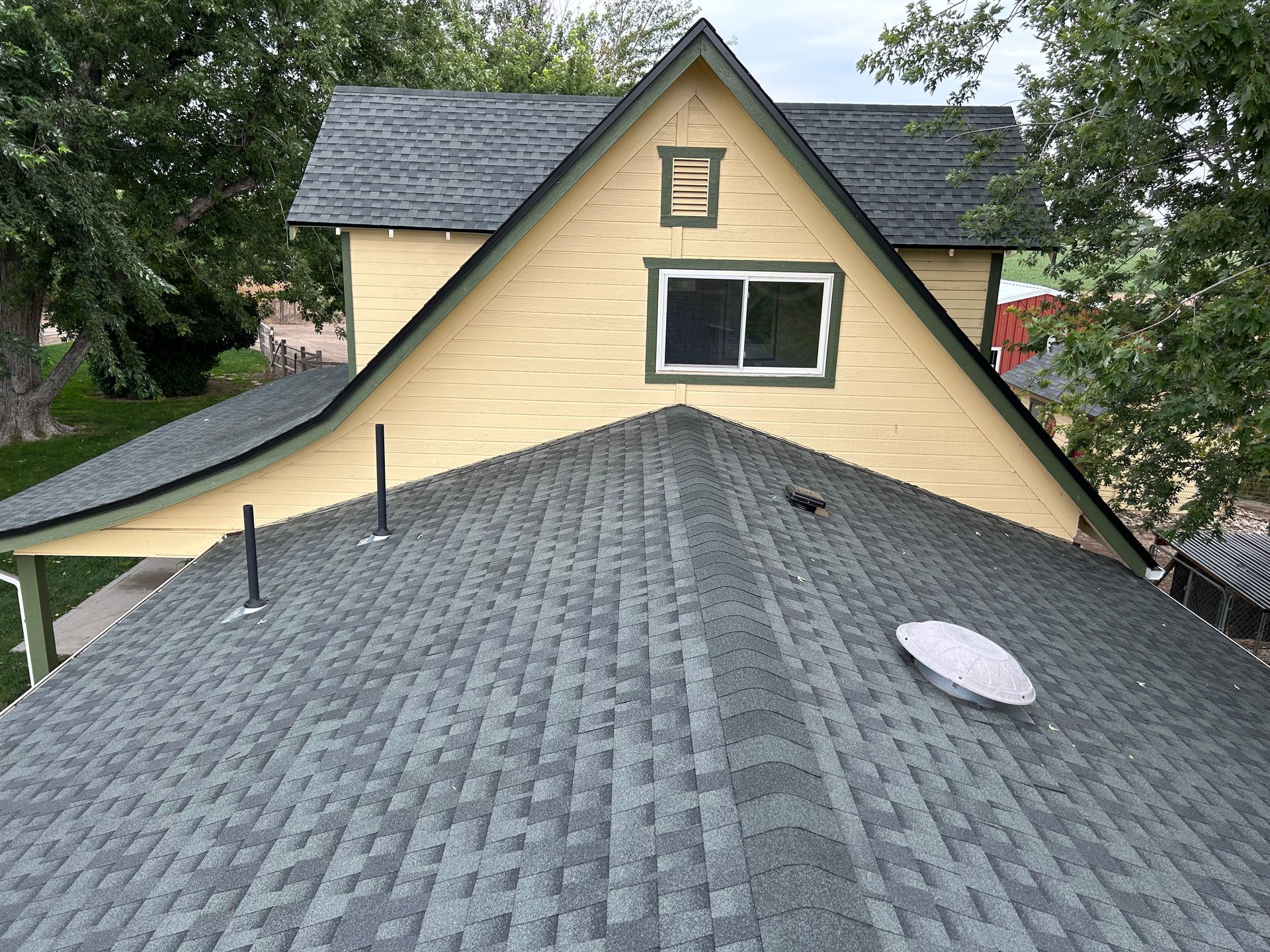
Maintenance inspections in Meridian work through a zone-based assessment rather than a general walkover. Shingle field zones are checked for granule loss patterns—accelerated loss on a single slope indicates a ventilation imbalance that is aging that section faster than the rest of the roof. Gutters and downspouts are cleared and checked for proper slope, because standing water in a gutter creates a persistent moisture source directly against the fascia and eave decking. Flashing at every pipe penetration, valley, and wall intersection is tested for seal integrity, since these are the locations where 80 percent of non-storm leaks originate on Meridian homes.
Corrective maintenance items—pipe boot replacements, resealed counter-flashing, cleared ridge vent channels—are addressed during the same visit when possible, which means the roof leaves each service appointment in a documentably better condition than it arrived in. That documentation matters practically: manufacturer warranties on qualifying systems require periodic inspection records to remain enforceable, and insurance carriers in Idaho increasingly ask for maintenance history when evaluating storm damage claims. A maintained roof is also measurably cooler in summer because clean ridge and soffit venting keeps attic temperatures 20 to 30 degrees lower, directly reducing cooling loads on the living space below.
If your Meridian roof has gone two or more years without a formal inspection, reach out today to schedule maintenance service and establish a documented baseline before this season's weather adds to accumulated wear.
What Deferred Maintenance Costs Meridian Homeowners Over Time
Skipping routine maintenance does not preserve the roofing budget—it shifts smaller, preventable costs into larger, unavoidable ones. These are the specific failure patterns that develop when Meridian roofs go without regular attention.
- Pipe boots made of rubber or neoprene crack and separate within seven to twelve years under Meridian's UV load, creating a direct water pathway into the attic that goes undetected until drywall staining becomes visible
- Clogged gutters force water over the edge and against the fascia board through repeated freeze-thaw saturation, rotting the board and the rafter tail behind it—a repair that costs significantly more than the gutter cleaning that would have prevented it
- Undetected granule loss on south-facing slopes lets UV degrade the shingle mat, reducing rated wind resistance and causing premature tab lifting during the windstorms that move through the Treasure Valley in spring
- Blocked ridge vent channels allow attic heat to exceed 160°F, which voids shingle manufacturer warranties and reduces rated service life by up to 30 percent on systems installed without adequate counter-ventilation
- Minor flashing separations at chimney bases or wall transitions in Meridian allow seasonal water entry that saturates insulation without producing visible ceiling stains for months, causing mold growth in concealed attic cavities
Each of these failures is diagnosable and correctable in its early stage at a fraction of the cost of the structural repair it eventually forces. Learn more about scheduling a maintenance inspection in Meridian and get ahead of the deterioration cycle before the next Idaho winter adds to what is already accumulating.