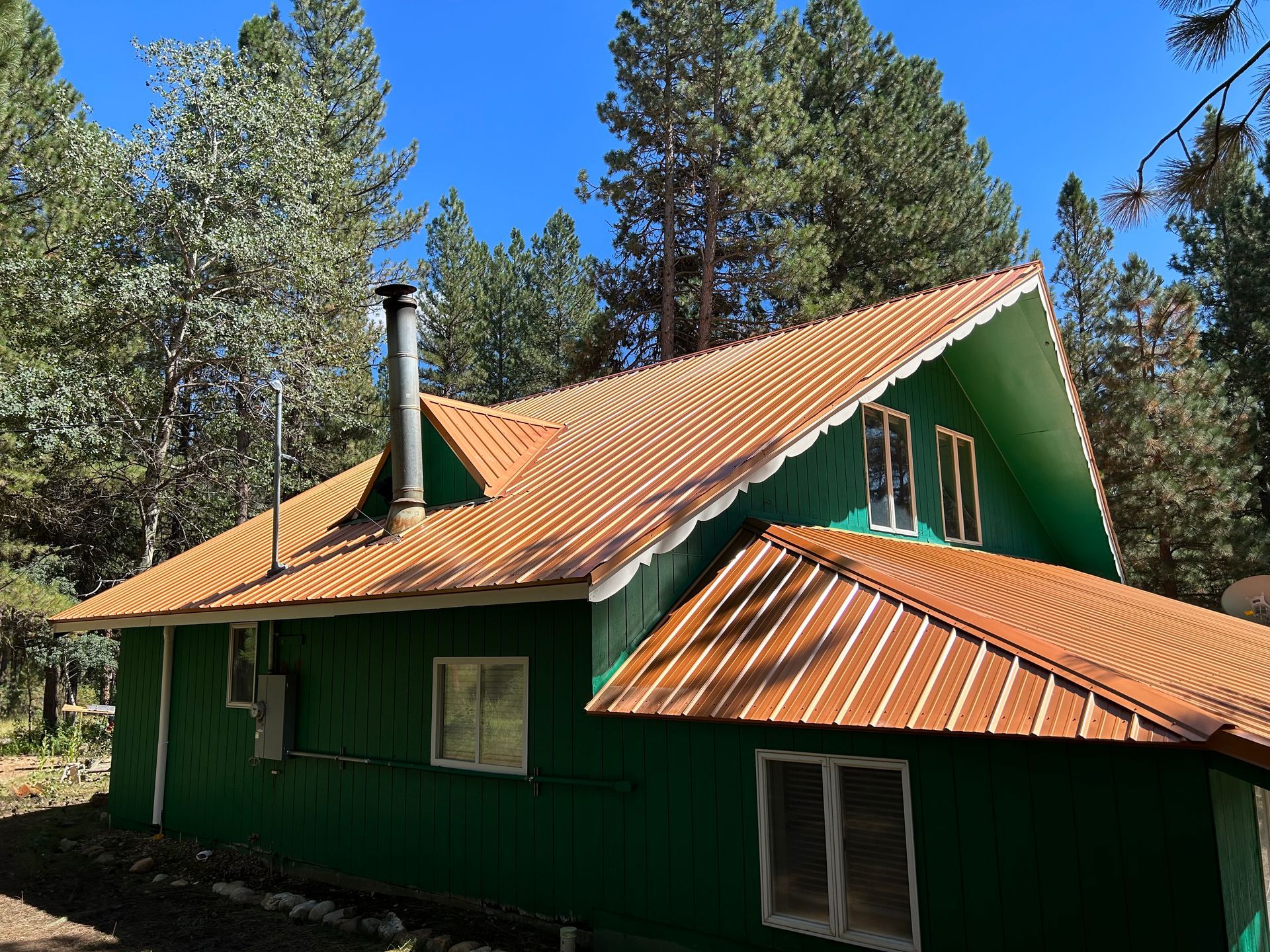
Kuna's High Desert Exposure Means Roof Replacement Mistakes Show Up Fast
How Open-Plain Wind Exposure and UV Intensity Create a Demanding Test for Every Replacement
Kuna sits on an elevated plain southwest of Boise with minimal topographic shelter, which means southwest wind events reach rooflines at full velocity and south-facing slopes accumulate UV exposure that is measurably higher than shaded urban installations. Asphalt shingles installed with the wrong fastening pattern or inadequate starter strip coverage begin to lift at corners within the first two to three years in this environment—not because the shingles are defective, but because the installation did not account for the uplift loads that Kuna's exposure generates. Valley Oak Roofing & Construction sizes fastening schedules, underlayment grades, and starter strip specifications specifically for this terrain rather than applying a one-size method across every job regardless of location.
The freeze-thaw cycle along the Kuna Butte corridor adds a second stress dimension: water that enters through an improperly lapped underlayment seam during a late-fall rain can freeze inside the assembly overnight, expanding against the decking and lifting the overlying material away from its substrate. This damage occurs inside the assembly where it is invisible until the following spring's melt cycle produces the first ceiling stain—at which point the decking in the affected zone has already begun the moisture-cycling that leads to sheathing delamination. A replacement executed with correct underlayment overlap sequencing and ice-and-water shield along vulnerable eave zones prevents this failure mode entirely, meaning the new roof performs identically in year twelve as it does in year one.
What a Correctly Executed Replacement Covers From Decking to Ridge
Tearoff is where replacement quality is established or compromised. When existing shingles and underlayment come off, the decking layer is exposed and each sheathing panel is checked for soft spots, delamination from previous moisture cycling, and nail pattern adequacy before anything new goes down. Rotted or delaminated panels are replaced at tearoff—not covered with new underlayment and hoped over—because a new shingle layer installed over compromised decking transfers fastener loads into degraded substrate, and those fasteners back out under wind loading within three to five years. In Kuna, where wind uplift loads are higher than sheltered suburban installations, this detail is not optional.
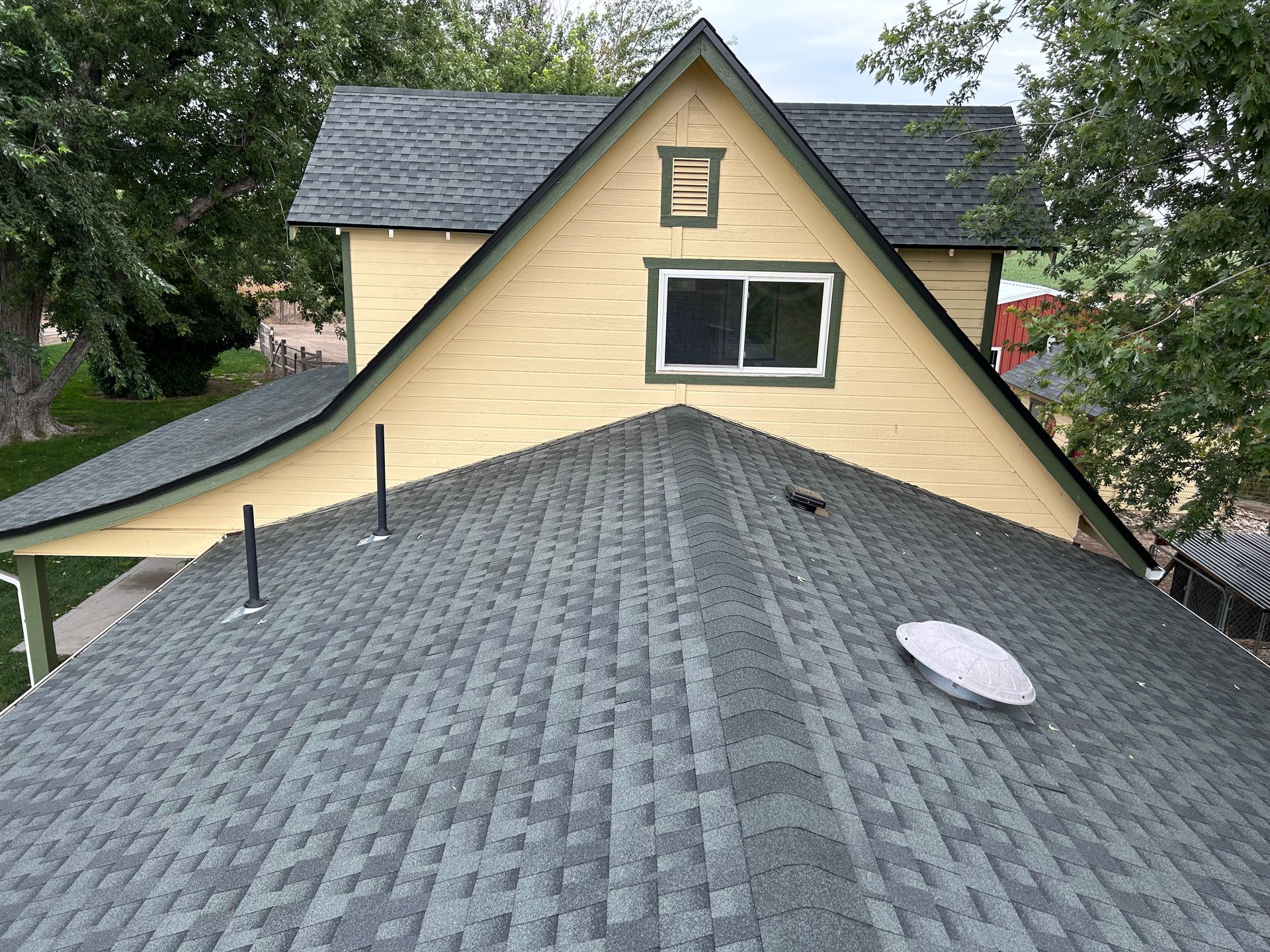
Ventilation is calculated before materials are ordered: ridge vent net free area is matched against soffit intake area to ensure balanced airflow, because an attic running positive or negative pressure relative to the living space below drives moisture migration through the ceiling assembly and accelerates shingle aging from radiant heat. Flashing at every valley, wall intersection, and pipe penetration is step-flashed with metal rather than relying on sealant-only applications that become brittle under Kuna's temperature cycling within four to six years. The finished system drains correctly, breathes correctly, and holds its fastening pattern through the wind events that expose undersized installations within the first season.
If you're planning a roof replacement in Kuna, reach out now to get a free estimate and a detailed breakdown of what your specific structure and exposure require before a single layer comes off.
What to Confirm Before Signing a Replacement Contract in Kuna
Replacement contracts in Kuna vary significantly in what they include, and the gaps between proposals often represent the failure points that surface during the first winter after installation. Use these criteria before committing to any contractor.
- Whether decking inspection is included in the scope and what the protocol is for replacing damaged panels discovered at tearoff—a proposal that does not address this is pricing for ideal conditions and will generate change orders when reality differs
- How attic ventilation is assessed and whether the replacement scope adjusts ridge and soffit vent capacity to correct existing deficiencies, since installing new shingles over an underventilated attic in Kuna's climate restarts the same aging cycle on new materials
- What underlayment product is specified and whether ice-and-water shield is included along eaves and valleys rather than standard felt throughout, given Kuna's documented freeze-thaw exposure at the eave line each winter
- Whether flashing at wall intersections and pipe penetrations is step-flashed with metal or sealant-only, and how the contractor responds when asked to explain the difference in service life between those two approaches
- What warranty documentation is provided after completion—both the manufacturer's material warranty and the contractor's workmanship coverage—and what constitutes a valid warranty claim if a leak develops within the first three years of your Kuna replacement
A contractor who answers each of these questions with specifics rather than generalities is one who understands what Kuna's conditions actually require from a replacement system. Learn more about scheduling a free estimate and start the conversation with a team that documents its process rather than just describing it.