Roof Repair vs. Replacement in Boise, ID: How to Choose the Right Option for Your Home
In Boise, a single summer hailstorm can turn a minor roof concern into a full-scale financial decision — and the right answer depends on more than the size of the dent. Because the Treasure Valley averages roughly 124 freeze-thaw cycles per year, any existing damage tends to worsen faster here than in milder climates, which means a 'wait and see' approach rarely saves money.
There is no one-size answer, but there is a clear framework. Running your situation through four filters — roof age, damage extent, cost over time, and insurance factors — will tell you which path makes sense before you ever pick up the phone.
Does Your Roof's Age Determine Repair or Replacement?
Age is the single biggest variable because it changes the math on every other filter. An older roof is more likely to fail again soon after a repair, turning a small fix into a recurring expense.
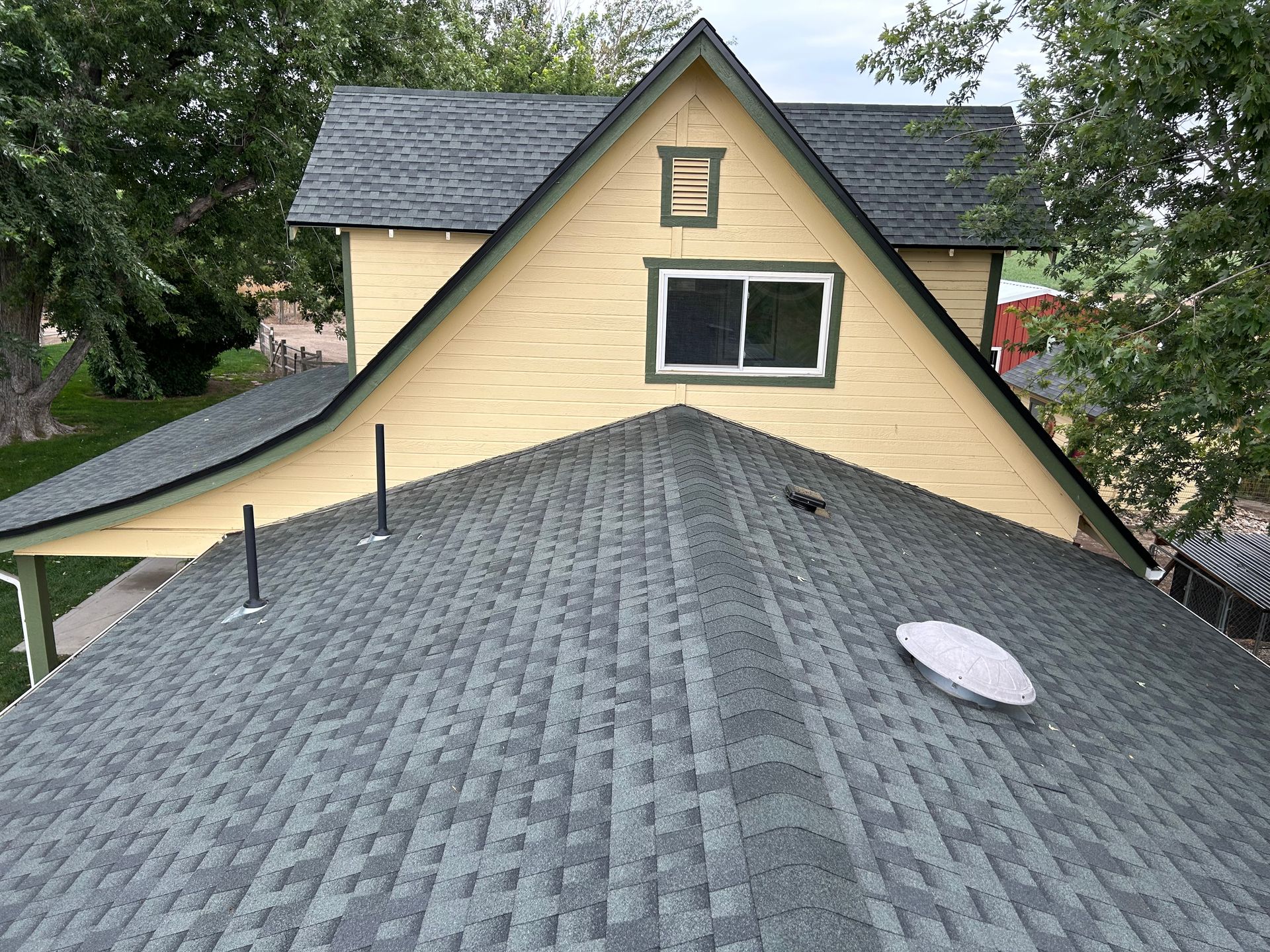
For asphalt shingles — the most common material in Boise — the 15-to-20-year mark is the inflection point. Below 15 years, isolated repairs almost always make sense. Between 15 and 20 years, damage type and repair cost both matter. At 25 years or older, replacement is usually the smarter financial move regardless of how limited the visible damage looks, partly because Boise's high-desert UV exposure pushes shingles toward the lower end of their lifespan range.
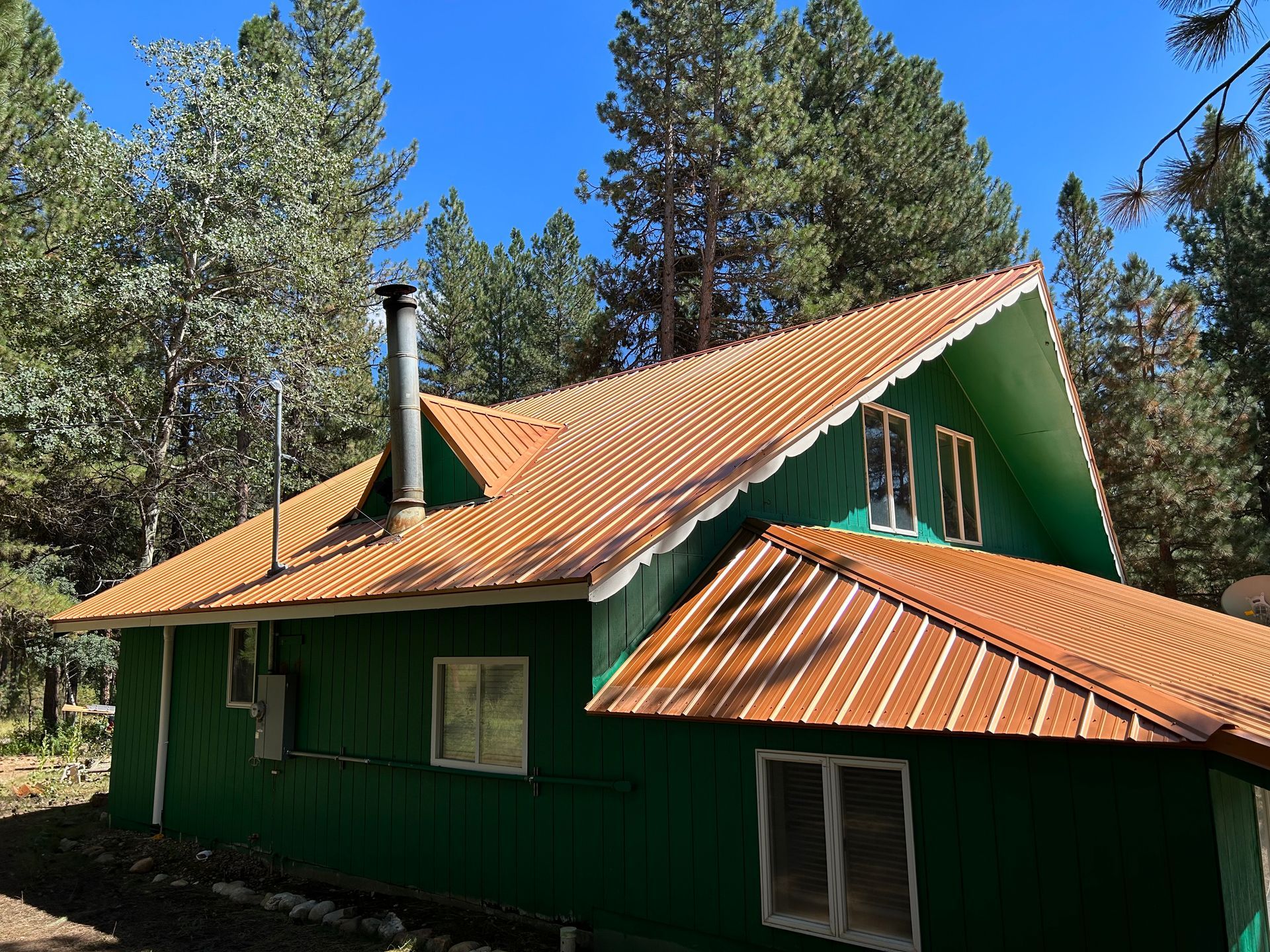
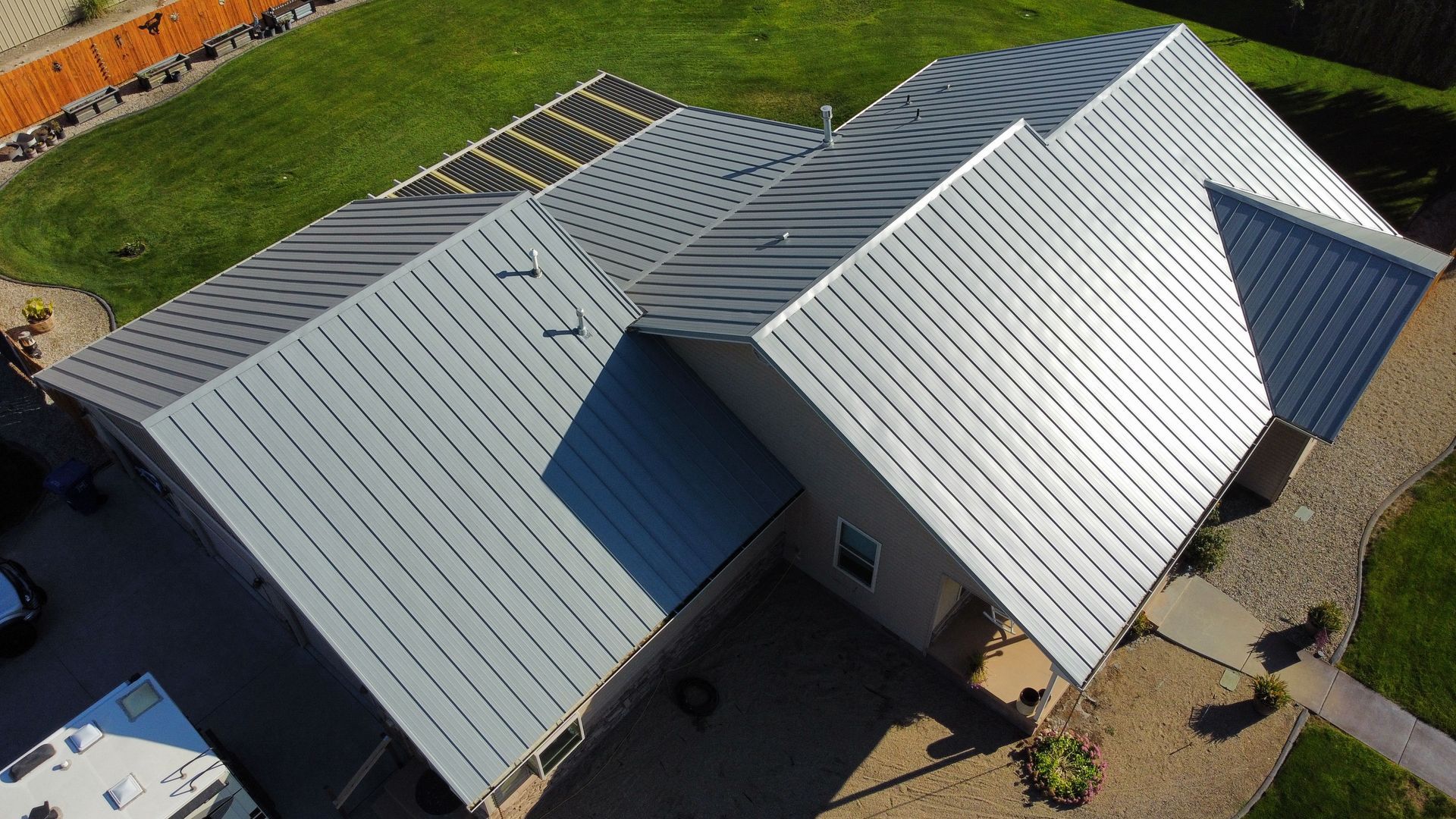
Metal roofing is a different story. With a 40-to-70-year lifespan, metal roofing is almost always repairable unless the original installation had structural flaws. Tile can last 50-plus years, but cracked or discontinued tile creates a matching problem that sometimes forces partial or full replacement even on an otherwise sound roof.
What Signs Indicate That Repair Won't Be Enough?
Widespread or structural damage signals that patching the surface will not address the underlying problem — and continuing to repair can become more expensive than replacing.
One or two missing shingles, a flashing failure at a chimney, or a single isolated leak are all strong candidates for roof leak repairs. These are contained problems with contained costs. The picture changes when storm damage covers more than 25-30% of the roof surface, when granule loss is widespread, or when an active leak has rotted the decking underneath. Rotted decking means water has been sitting long enough to compromise the structure — that is a replacement conversation.
Hail impact across a full roof plane, common in Boise's June-through-August storm season, often results in an insurance claim that effectively decides the question for you. Insurers may total a roof when damage is uniform enough that repair cannot restore consistent protection.
Yes — with one important caveat. If a storm damages one clearly defined slope, replacing just that section can be cost-effective. The challenge in Boise is color matching: asphalt granules fade unevenly over time, so new shingles rarely match aged ones visually. For insurance claims involving partial damage, adjusters sometimes approve full replacement when matching cannot be achieved. Always confirm with both your contractor and insurer before assuming a partial fix is the right path.
Understanding the Long-Term Cost of Repeated Repairs
A single repair feels cheaper in the moment, but repeated repairs on an aging roof can exceed replacement cost within two to three years — a pattern sometimes called the 'repair trap.'
A practical rule of thumb: if a repair quote exceeds 50% of full replacement cost on a roof older than 15 years, replacement is likely the better investment. In Boise, a new asphalt roof typically runs in the range of $8,000-$14,000 depending on pitch, size, and material grade. Stacking $1,500 repairs every 18 months on a 20-year-old roof erases that cost advantage quickly.
There is also an energy efficiency dimension. Modern underlayment and reflective shingle technology can reduce HVAC load during Boise's 100°F-plus summers — a benefit that repairs on old material cannot provide.
How Does Boise's Climate Affect the Repair-or-Replace Decision?
Boise's weather patterns accelerate roofing wear in ways that generic national guidance does not account for, making local context essential to any honest assessment.
Freeze-thaw cycling is the most damaging chronic factor. When temperatures oscillate across the 32°F mark that many times per year, shingles crack, flashing separates, and valleys are prone to ice dam formation. Any existing damage becomes a faster-moving problem than it would in Seattle or Phoenix. Combined with thermal stress from sub-zero wind chills in winter and intense summer heat, sealant strips and ridge caps are under near-constant expansion and contraction.
Summer hail adds acute risk on top of chronic wear. The Treasure Valley sits in a secondary hail corridor, and 1-inch-plus hailstones can bruise or crack an entire asphalt roof plane in minutes. Document storm damage immediately — delay weakens insurance claims because adjusters distinguish sudden damage from gradual wear.
Foothills and North End homes with steeper pitches also carry different snow-load profiles than flat-lot subdivisions, which can affect which repair methods are structurally appropriate.
Getting an Inspection Before You Commit
A professional inspection turns an anxious guess into a documented decision, and it costs far less than a repair that misses underlying damage.
An inspector can identify decking condition, flashing integrity, and granule loss that are invisible from the ground. That report also strengthens your position if you are negotiating a hail claim — independent findings carry more weight with adjusters than a contractor's quick estimate alone. Schedule an inspection before committing to either path, especially if the roof is more than 12 years old or has been through a recent storm event. You can also review roof maintenance options that reduce how often this decision comes up in the future.
Knowing your roof's actual condition lets you make a cost comparison based on facts rather than estimates, which almost always leads to a better outcome — financially and structurally.
The right choice between repair and replacement comes down to four concrete factors: age, damage extent, lifetime cost, and insurance coverage. Working through each one with accurate information prevents both over-spending on a replacement you did not need and under-spending on a repair that buys only another year.
Schedule a professional inspection with Valley Oak Roofing & Construction to get a clear assessment of your Boise home's roof and a straight answer on which option fits your situation.